
Choose the right passenger counts
Common JR fares treat ages 6–11 as children and age 12 onward as adults, with school-year exceptions. Infants and younger children can travel without a separate fare only under specified conditions. A young child occupying their own reserved seat normally needs a child ticket. If the age or school-year boundary affects your trip, check before ordering.
Plan seats for the whole family
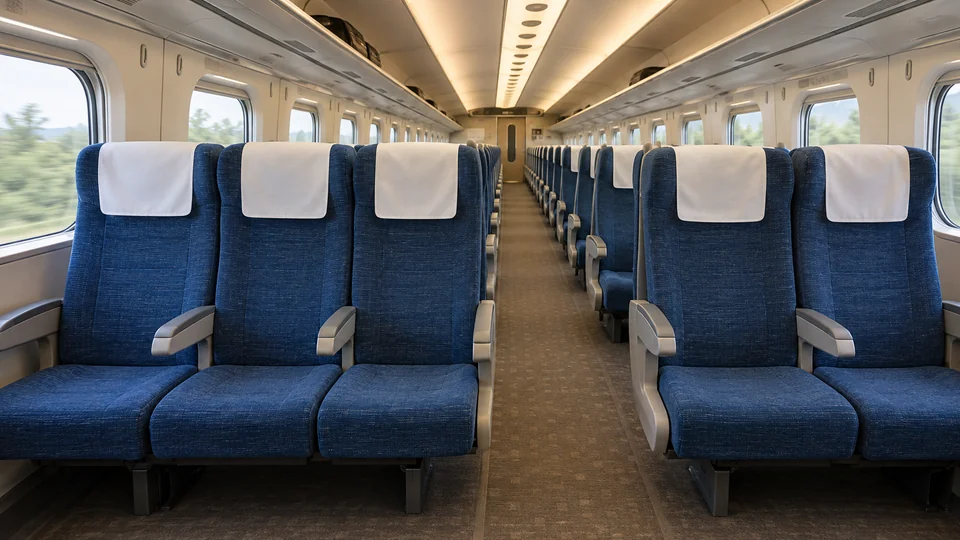
Enter all paid passengers together and request adjacent seats early. Confirm the issued car and seat numbers before travelling. Adjacent seats are subject to inventory, particularly during Golden Week, Obon and the New Year period. Do not rely on swapping seats with other passengers after boarding.
Strollers and bags
A folded stroller should be kept out of doors and aisles. Special-item rules can differ from suitcase rules, so do not count on a stroller securing luggage space for another large bag. With several suitcases, measure them in advance and request any required oversized-baggage reservation. Allow for lifts and longer walks between station levels.
A comfortable journey
Carry snacks, water, quiet activities and essentials in a small bag you can reach without opening your main suitcase. Buy supplies before boarding because onboard sales vary. Locate the toilets after settling in; facilities differ by train and a multipurpose room cannot be assumed to be freely available.
Boarding and changing trains together
Keep the group together at the gate, with the correct ticket for each traveller. Allow more transfer time than an experienced solo traveller would need. Count bags and passengers before leaving the train. For a long day, a direct departure with a comfortable connection to your hotel may be more useful than saving a few minutes onboard.