

Build the journey around your hotel
Start with the exact stations and the local travel at either end. Shin-Osaka is different from Osaka Station, and Tokyo is different from Shinagawa. Add the hotel-to-station transfer before deciding which departure is comfortable. If you arrive by air, allow for immigration, baggage and a variable airport transfer; a train ticket does not protect you from a late flight.
Choose a train and a seat
Compare the arrival time as well as the headline duration. A stopping service can be useful for a smaller destination that an express skips. Ordinary reserved seats work well for most travellers; Green Car is a comfort upgrade where offered. Choose child tickets for eligible children and request adjacent seats early. On busy holidays, some trains operate with reserved seating only.
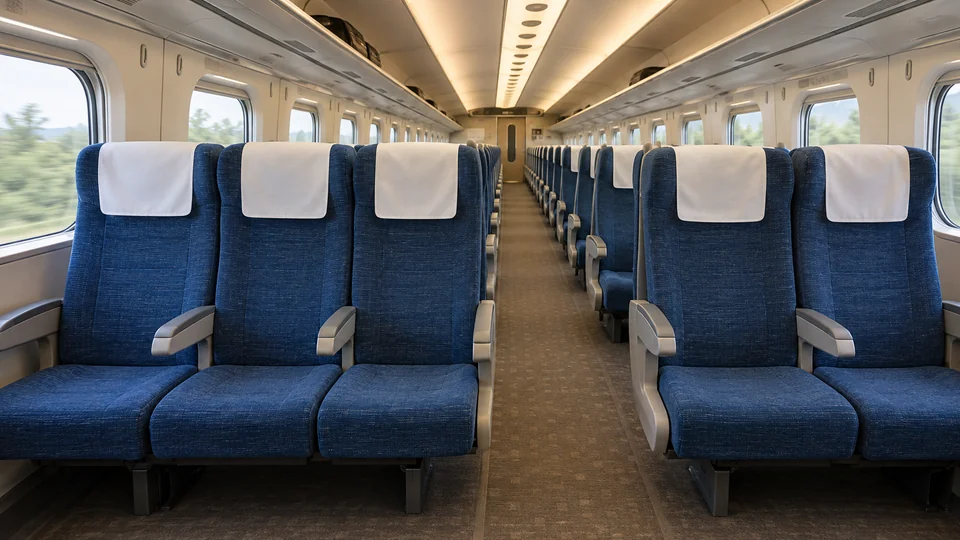
A simple departure-day checklist
Save the issued ticket and instructions offline; check the date and departure station; charge your phone; measure and arrange large bags; arrive early; find the train number on the display; then join the queue at the marker for your car. Buy food before boarding if you want a choice, because onboard service varies by train.
Gates, platforms and transfers
Use the boarding method provided with your ticket. A payment receipt, booking reference or unrelated QR code is not necessarily valid at a gate. If you transfer from local rail, follow the transfer-gate instructions for both tickets and ask staff before tapping an IC card and presenting a separate QR. On the platform, let arriving passengers leave before boarding.
On board and at your destination
Keep luggage stable and out of aisles, set your phone to silent and take calls in the vestibule where allowed. Keep your ticket until you have exited at the destination. Start preparing a few minutes before arrival and check racks, seat pockets and reserved luggage areas. If you leave an item behind, note the train, date, car and seat before contacting the operator.